

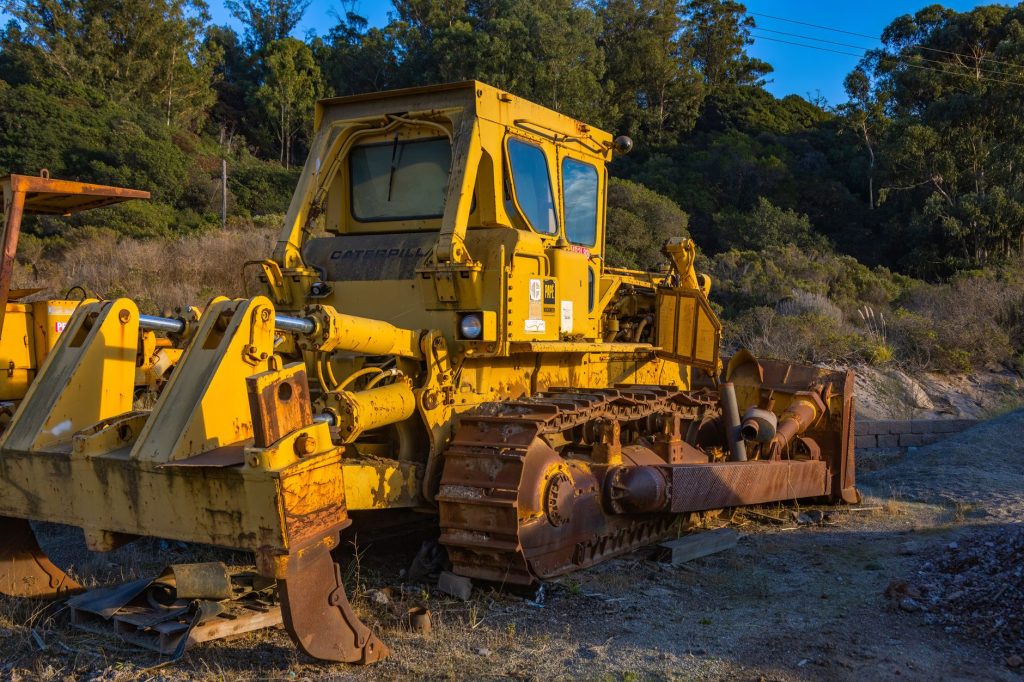
Boxes stacked by the door, the hallway cleared, everyone awake earlier than they wanted to be — and the truck in the driveway turns over once and goes silent. In that moment the entire day, which depended on wheels and engines and lift mechanisms doing exactly what they were supposed to do, stops moving. The reason it stings so much is worth examining, because almost every part of a move hangs on machinery most people never think about until it quits.
What happens if the truck won’t start on the morning of your move?
A dead truck is not just a late start; it resets the whole clock. If the vehicle won’t fire up, the crew can’t load, and if they can’t load, the elevator booking at the new place, the parking permit window, and the handover time with the previous tenant all begin to slide. In a region with long, cold winters, a battery that was fine in October can fail on the first truly frigid morning. The downstream cost isn’t the engine — it’s every appointment chained to it.
The domino effect of a stalled lift gate
The hydraulic lift gate at the back of a box truck does quiet, enormous work. When it stalls, a two-person team loses the one thing that let them move a fridge or a dresser without a third set of hands. Now everything heavy has to go up a ramp by muscle, which is slower and riskier. Pace drops, fatigue climbs, and a crew that was ahead by lunch is suddenly racing daylight. One failed motor rearranges the entire rhythm of the day.
No dolly, no ramp, now what?
Skip the small gear and the big gear can’t save you. A missing dolly means washing machines get carried instead of rolled. A forgotten ramp means every item gets lifted to gate height by hand. These aren’t glamorous tools, but they are force multipliers, and without them a job that should take a morning bleeds into the afternoon.
When a hydraulic failure strands your furniture halfway
There is a particular kind of dread in a sofa wedged on a lift that has died mid-cycle — too high to set down, too heavy to haul over. Hydraulic failures tend to happen under load, which is the worst possible moment. The furniture is stranded, the crew is improvising, and whatever was scheduled behind this move is now uncertain.
Picture a crew without their prime movers
Strip away the machines and you see what the trade actually runs on. A team can be skilled, punctual, and careful, but without working trucks, functioning gates, and reliable dollies, their skill has nowhere to go. This is why experienced outfits treat equipment maintenance as seriously as scheduling, and it’s part of what people are really evaluating when they ask around for the best prime movers in their area — not just willing hands, but gear that won’t betray them at nine in the morning. A crew is only as dependable as the hardware it rolls up in.
The ripple into your schedule, your deposit, and your sanity
Mechanical trouble rarely stays mechanical. A delayed load can mean you miss the elevator slot, which means you wait for the next one, which means you run past your move-out time and risk part of a deposit. It can mean a cleaning crew arrives to a place still full of furniture. It can mean kids and pets stuck in a half-emptied home far longer than anyone planned. The engine is one small failure; the schedule, the money, and the patience are what actually break.
Building a backup plan before anything breaks
You can’t eliminate breakdowns, but you can blunt them. Ask whether a company has more than one truck and a plan if one goes down. Confirm the equipment list — gates, dollies, ramps, straps — rather than assuming. Build a cushion into your timeline instead of booking every appointment back to back. And keep contact numbers handy for the moments when a call needs to happen fast.
The machines do their job so reliably that we forget they’re doing it at all — right up until the morning they don’t, and the whole day waits on an engine that won’t turn over.